

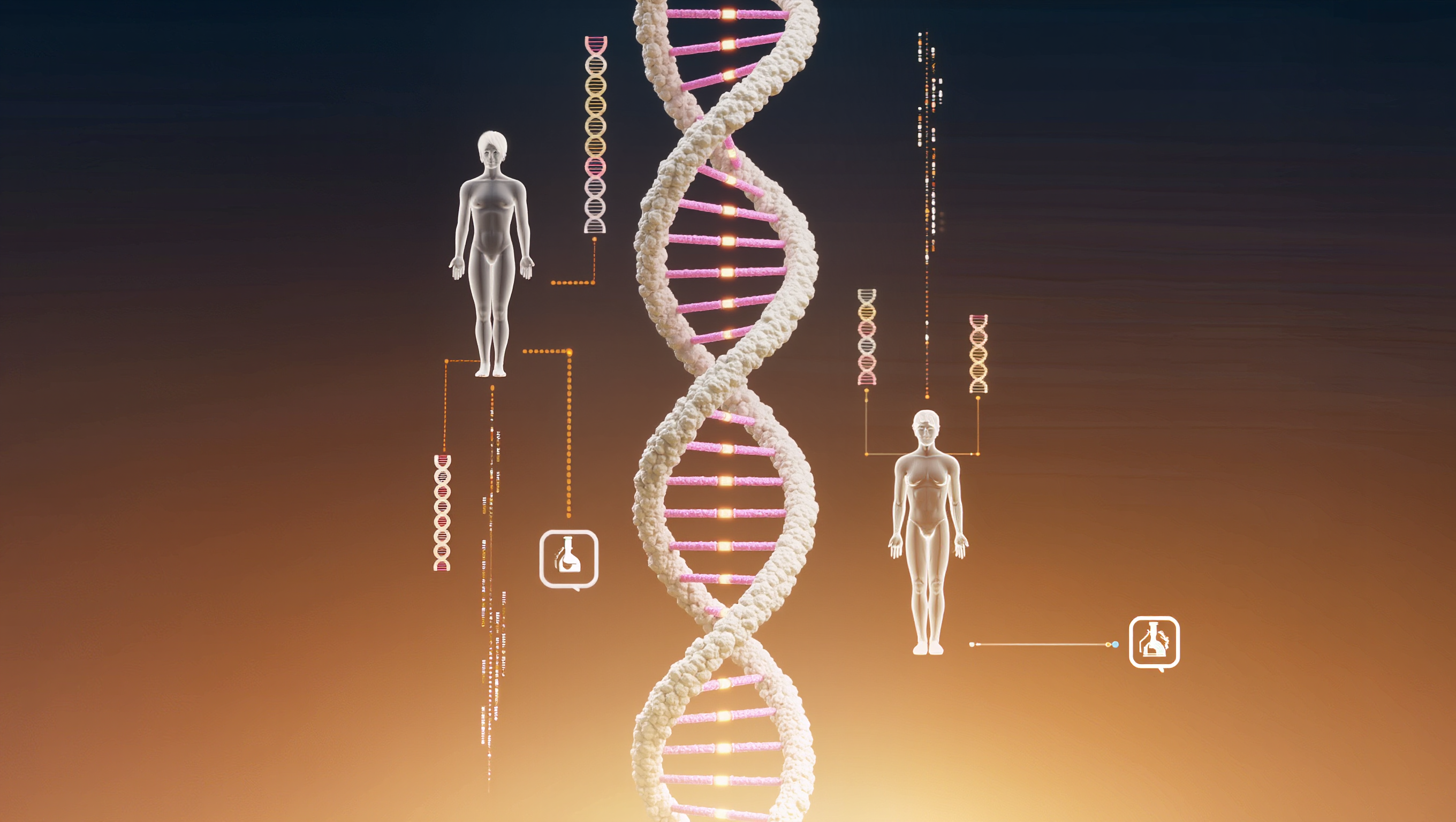
Quantum Molecular Matchmaker
for Rare Disease Drug Repurposing
7,000 rare diseases. 400 million patients. Only 5% have any treatment. Quantum kernel methods detect molecular similarities invisible to classical chemistry, matching approved drugs to orphan diseases at unprecedented scale and accuracy.
A Market Failure of Immense Proportions
6,650+ conditions with zero therapeutic options. 50% of patients are children.
The Economics of Pharmaceutical Neglect
Developing a new drug costs $2.6 billion on average, takes 10-15 years, and has a 90% failure rate. Small patient populations (by definition <200,000 in the US) rarely justify this investment through traditional approaches.
Drug repurposing changes the calculus entirely: safety profiles already established, costs reduced 60-90%, timelines compressed to 3-5 years, and the Orphan Drug Act provides 7-year market exclusivity.
The Moral Imperative
"When two paths are equally viable, choose the one that reduces suffering." This platform channels advanced quantum technology toward the underserved - compassion as competitive advantage.
Quantum Kernel Methods for Molecular Matchmaking
Exponentially richer molecular representations in quantum Hilbert space.
Quantum Kernel Molecular Similarity
Molecular descriptors mapped to quantum states via parameterized circuits. Kernel computes inner products in exponentially high-dimensional Hilbert space, capturing structural, electronic, and dynamic properties simultaneously.
Automated Disease-Drug Matching
End-to-end pipeline ingesting from OMIM, Orphanet, ClinVar. Generates quantum feature representations for disease targets, performs systematic screening against all approved drugs, outputs ranked candidates with confidence intervals.
Hybrid Binding Affinity Prediction
Quantum subroutines compute electronic structure of drug-target complexes. Classical MD simulates thermodynamic landscape. ML calibration achieves 0.5 kcal/mol accuracy - sufficient for confident candidate prioritization.
Quantum Graph Network Analysis
Disease-associated protein networks encoded as quantum graphs. Quantum walk algorithms find optimal multi-target intervention points. Polypharmacological profiles matched against complex disease networks.
Orphan Drugs: The Fastest-Growing Pharma Segment

Quantum Advantage in Molecular Similarity
vs. Classical Fingerprint Methods (RDKit, Tanimoto)
Classical methods reduce molecules to fixed-length binary vectors, losing relational structure. Quantum kernels preserve full molecular complexity in exponentially large feature spaces.
vs. AI Drug Discovery (Recursion, Insilico)
AI companies focus on de novo drug design for large-market indications. We focus on repurposing existing drugs for rare diseases - fundamentally different risk profile.
vs. Traditional CROs
Contract research organizations run wet-lab screens sequentially. Quantum screening evaluates 20,000+ drugs against thousands of targets computationally before any wet-lab work.
Compassion as Competitive Moat
Orphan Drug Act provides 7-year exclusivity, tax credits, and fee waivers. Patient advocacy organizations provide clinical trial recruitment. Regulatory goodwill accelerates approvals.

From Quantum Screening to Clinical Validation
Platform Development & Initial Screens
Quantum kernel similarity engine v1. OMIM/Orphanet/ClinVar data pipeline. First cohort: 100 rare diseases screened against 5,000 approved drugs. Validate against known repurposing successes.
Binding Validation & Pharma Partnerships
Hybrid binding affinity prediction engine. Top 50 candidates advanced to in-vitro validation with academic partners. First pharmaceutical company partnership for joint development.
Full-Scale Screening & Clinical Entry
Scale to 7,000 diseases x 20,000 drugs. Quantum graph network analysis for multi-target diseases. First repurposing candidate enters Phase II clinical trial. FDA orphan drug designation applications.
Clinical Pipeline & Revenue Generation
3-5 candidates in clinical development pipeline. First licensing deal with major pharma partner. Platform-as-a-Service for pharmaceutical companies' internal rare disease programs.

From Single-Gene Disorders to Complex Rare Diseases
Lysosomal Storage Disorders
Screen approved drugs for enzyme enhancement or substrate reduction in Gaucher, Fabry, Pompe, and related conditions. Quantum similarity detects structural analogs of known chaperone molecules.
Rare Pediatric Cancers
Match adult oncology drugs to pediatric rare tumors. Quantum network analysis identifies common pathway targets between adult and pediatric malignancies for rapid repurposing.
Neurological Rare Diseases
Screen CNS-penetrant drugs for neurodegenerative conditions. Filter on BBB permeability while matching therapeutic targets identified in disease gene networks.
Ultra-Rare Single-Gene Disorders
For conditions affecting fewer than 1,000 patients globally, match molecular mechanism to approved drug library. Compassionate use pathways for immediate patient access.

Part of the Moonshot Rodeo Quantum Healthcare Suite
SYNAPSE Integration
Rare disease patients on repurposed drugs receive rigorous interaction screening via SYNAPSE. Safety monitoring for complex polypharmacy regimens.
HELIX Cross-Platform
Rare pediatric cancers benefit from both ORPHEON drug repurposing and HELIX oncology intelligence. Overlapping patient populations.
QCortex Backend
Shared quantum computing infrastructure across healthcare moonshots. 80%+ hardware utilization through workload pooling.